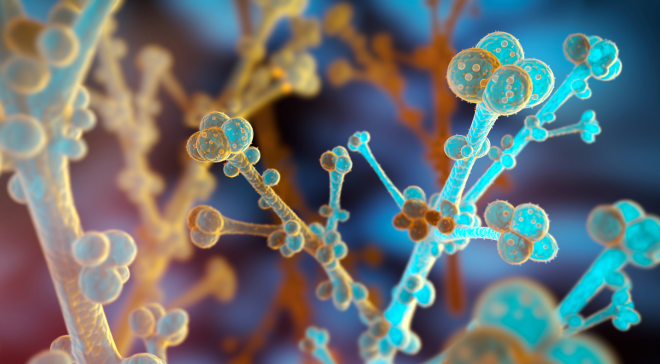
Candidozyma auris (formerly Candida auris) is an emerging yeast that is causing increasing concern in healthcare settings. First recorded in Japan in 2009, it is now responsible for outbreaks in many countries, including France, and is listed among the priority fungal pathogens identified by the WHO.
In a healthcare setting, the main challenge posed by Candidozyma auris lies in its ability to rapidly and persistently colonise the hospital environment. This is why the SF2H (French Society for Hospital Hygiene), the SFMM (French Society of Medical Mycology) and the Pasteur Institute place environmental bio-cleaning at the heart of their prevention measures, whilst synergistic approaches, such as steam and airborne surface disinfection (ASD), are attracting growing interest.
Candidozyma auris: an emerging pathogen of particular concern
EPIDEMIOLOGY OF CANDIDOZYMA AURIS: A RAPID SPREAD IN FRANCE AND ABROAD
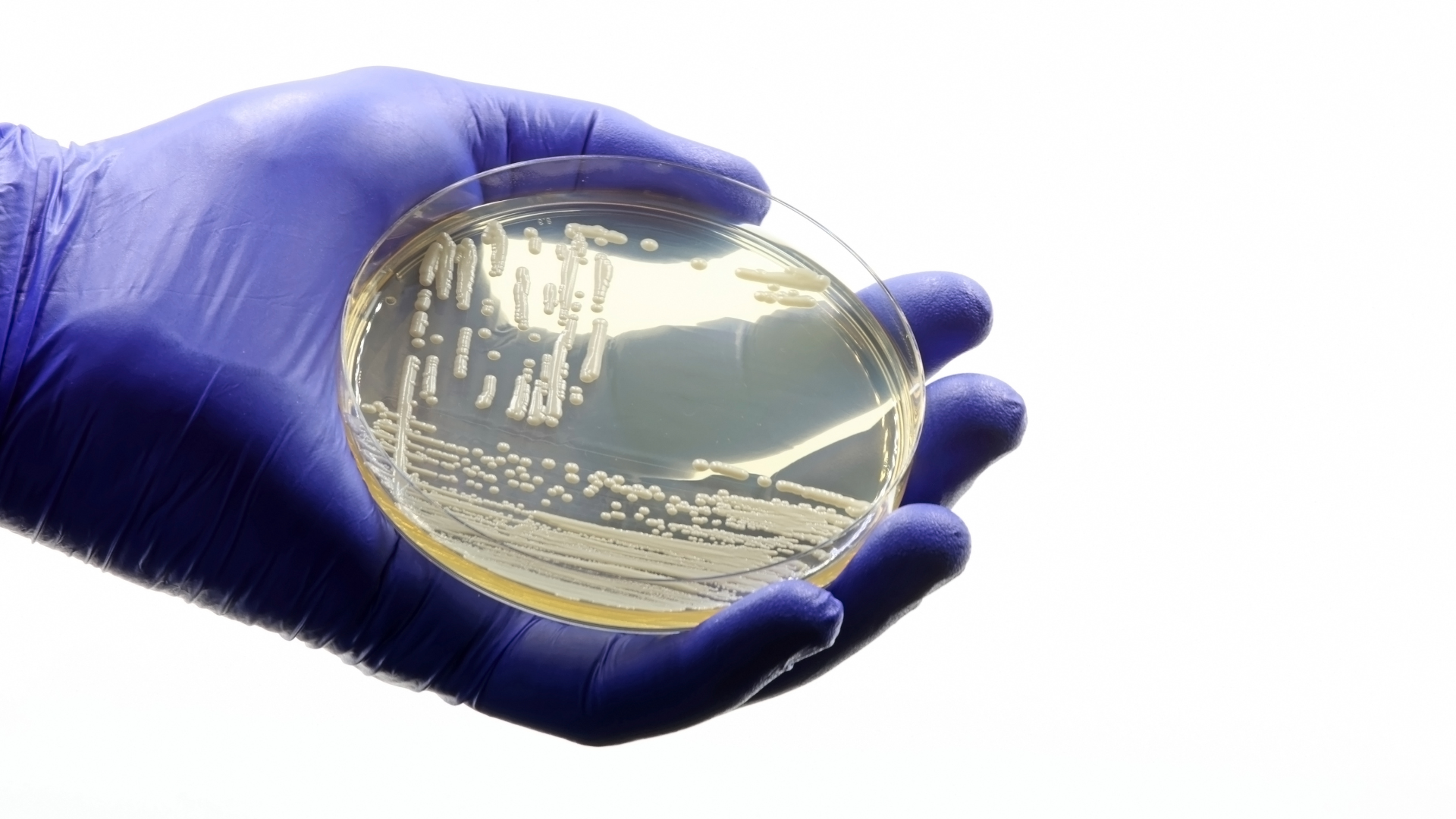
Surveillance data show a rapid rise in Candidozyma auris, with its circulation now well documented in both the United States and Europe. In 2024, more than 6,000 infections were reported in the United States. In Europe, more than 1,300 cases had already been recorded by 2023.
In France, recent trends show a need for increased vigilance. The first French case was identified retrospectively in 2007. Since then, 89 cases have been recorded, 65 of which have been reported since 2023. In other words, nearly 73% of French cases have been reported over the last three years.
In 2025 alone, 22 clusters were identified, accounting for 37 cases.
The introduction of C. auris into France remains predominantly linked to patients repatriated for medical reasons or who have recently been hospitalised abroad.
CLINICAL RISK IN COLONISED OR INFECTED PATIENTS
Candidozyma auris can colonise the skin for long periods without causing any symptoms. However, this colonisation can progress to an invasive infection. In colonised individuals, the risk of infection is estimated at 15%.
When the infection reaches the bloodstream, causing candidemia, the mortality rate is estimated at 30%.
Patient management can be complicated by variable susceptibility to antifungals depending on the strain and clade, which can limit the available treatment options or even lead to treatment dead-ends.
Why is bio-cleaning central to the prevention of Candidozyma auris ?
A YEAST THAT TURNS THE HOSPITAL ENVIRONMENT INTO A RESERVOIR FOR TRANSMISSION
C. auris is characterised by its ability to persist for several weeks indoors. It adheres to numerous surfaces, such as skin, glass, plastic, steel and textiles.
This characteristic promotes prolonged skin colonisation in patients, as well as long-term contamination of their immediate environment. A vast number of surfaces therefore become potential reservoirs for in-hospital transmission.
BIOFILMS AND MULTIPLE INFECTION HOTSPOTS: TWO REASONS TO BOLSTER BIO-CLEANING
C. auris can persist in free-floating form or as a biofilm. These biofilms promote the microorganism’s adhesion and survival. They can also reduce its susceptibility to certain disinfectants.
What’s more, environmental contamination by C. auris takes the form of multiple hotspots. This pathogen can simultaneously colonise numerous items in the patient’s environment including beds, mattresses, bed rails, call bells, remote controls, shared equipment and door handles.
Its widespread distribution makes it extremely difficult to define the boundaries of contaminated areas. As a result, the detection of C. auris on a single surface often suggests more extensive contamination, potentially involving many others.
This environmental spread significantly increases the risk of cross-contamination.
RECOMMENDATIONS FROM PROFESSIONAL BODIES
According to the SF2H, the SFMM and the CPIAS (Centres for the Prevention of Healthcare-Associated Infections), environmental disinfection is one of the essential measures for preventing the transmission of Candidozyma auris.
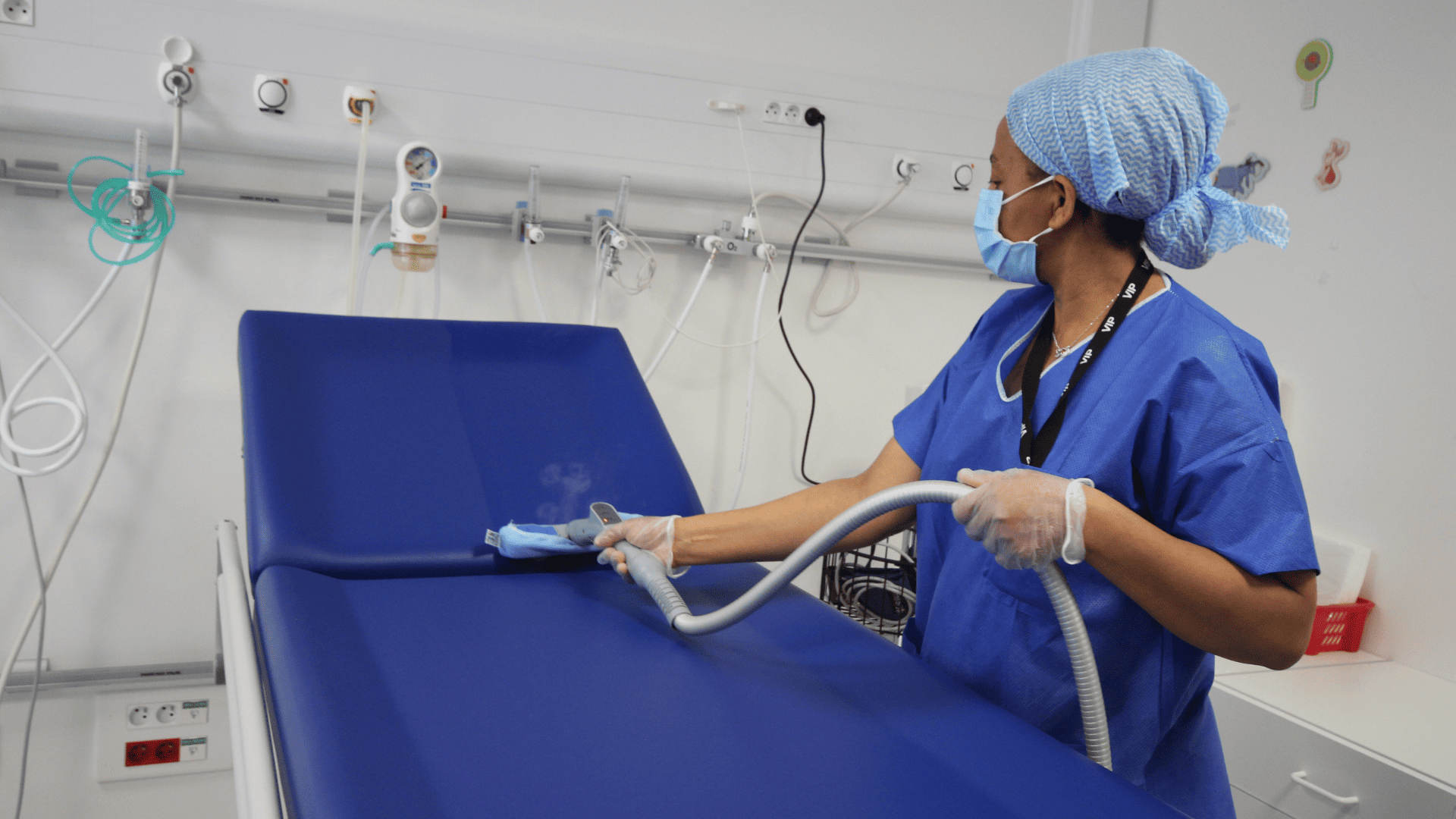
It must be carried out at least once every 24 hours in the patient’s room and on the patient’s equipment, and ideally twice a day.
The recommendations emphasise areas most at risk: the immediate surroundings of the patient, but also surfaces frequently touched by healthcare staff, in particular door handles, medical equipment and shared devices.
Bio-cleaning must combine vigorous scrubbing, detergent action and effective disinfection. The aim is to remove organic matter, visible soiling and biofilms, and to reduce microbial contamination of surfaces. Treatment quality must be monitored by paramedical staff, in conjunction with the infection control team.
When a patient is discharged, double bio-cleaning is recommended, ideally carried out by two separate healthcare professionals.
Why does Candidozyma auris present a major challenge for hospital hygiene?
According to the SF2H, the SFMM and the CPIAS (Centres for the Prevention of Healthcare-Associated Infections), environmental disinfection is one of the essential measures for preventing the transmission of Candidozyma auris. It must be carried out at least once every 24 hours in the patient’s room and on the patient’s equipment, and ideally twice a day.
Why does Candidozyma auris present a major challenge for hospital hygiene ?
VARIABLE SUSCEPTIBILITY TO CERTAIN DISINFECTANTS
Environmental control of Candidozyma auris is complicated by variable susceptibility to certain disinfectants, depending on the strain and clade. Current research raises questions regarding the efficacy of certain quaternary ammonium compounds. Biofilm formation may, in particular, contribute to reducing the susceptibility of certain strains to disinfectants. Although C. auris does not produce spores, sporicidal-level disinfectants are recommended, particularly chlorinated derivatives, hydrogen peroxide and peracetic acid.
STEAM: AN EFFECTIVE ADDITIONAL APPROACH
In the context of environmental control of C. auris, the SF2H and the SFMM are calling for proof of the effectiveness of steam. This is now available, thanks to tests carried out in accordance with the NF T 72-110 standard, providing evidence of steam’s effectiveness against C. auris.
Steam addresses several practical concerns for hygiene teams. It provides effective solutions against C. auris that are suited to on-site constraints and safe for both patients and healthcare professionals, whilst also limiting the use of chemicals to minimise environmental impact.
AIRBORNE SURFACE DISINFECTION : A RESPONSE TO WIDESPREAD OUTBREAKS OF C. AURIS
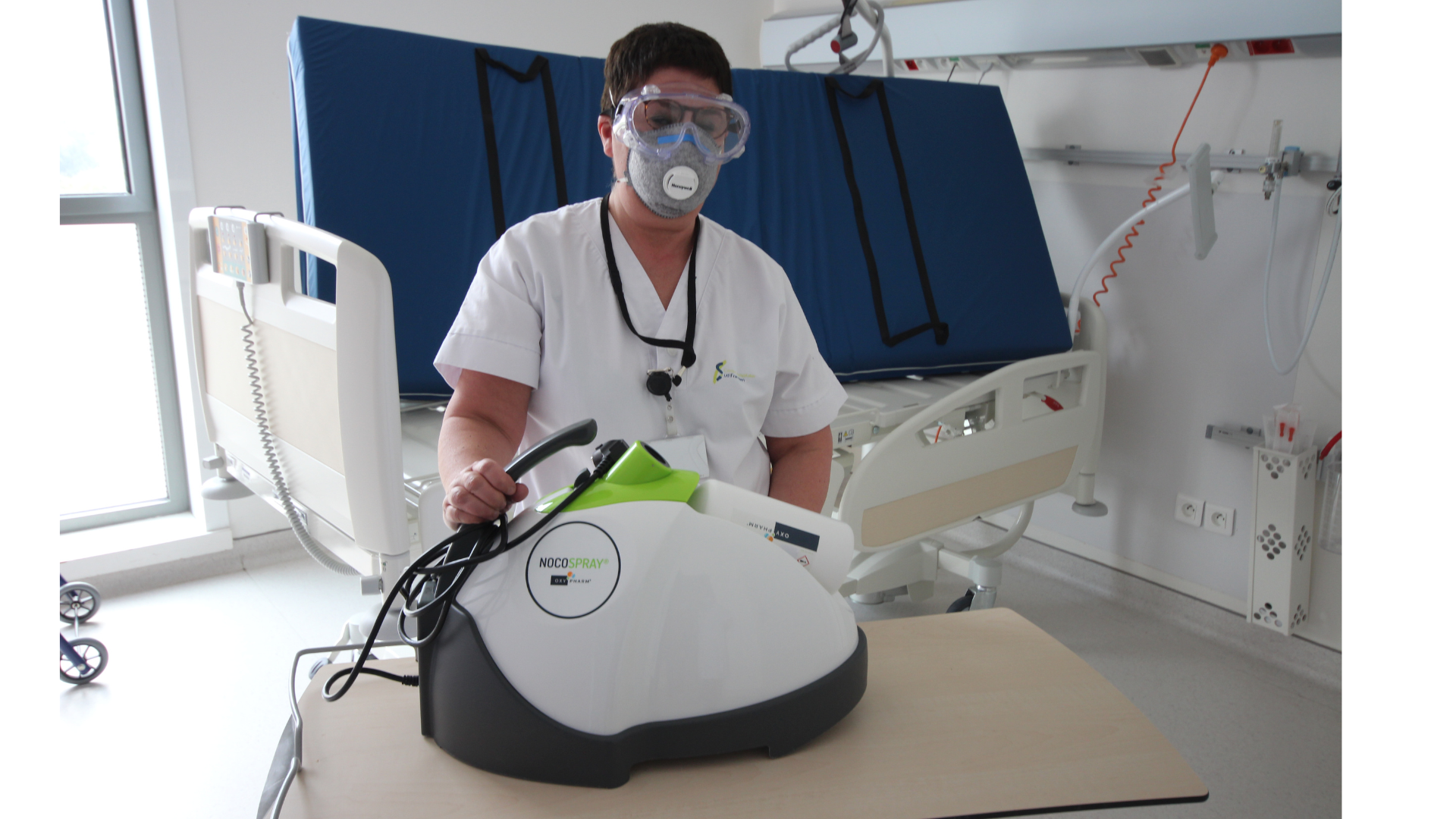
C. auris can contaminate numerous surfaces in the patient’s environment, leading to widespread outbreaks. This ubiquitous presence complicates the thorough treatment of all at-risk areas.
This is precisely the benefit of airborne surface disinfection. This method automatically disperses a disinfectant (often hydrogen peroxide) throughout the entire dimensions of a room, reaching all exposed surfaces including the most inaccessible areas.
Regulated and certified by the NF EN 17272 standard, airborne surface disinfection processes have demonstrated fungicidal and sporicidal efficacy against particularly resistant microorganisms.
Its ability to reach widespread hotspots and its broad-spectrum efficacy explain the major benefit of airborne surface disinfection (ASD) in controlling environmental contamination associated with C. auris.
The SF2H and the SFMM therefore recommend terminal disinfection of surfaces via airborne application, particularly in the event of an uncontrolled outbreak.
Conclusion
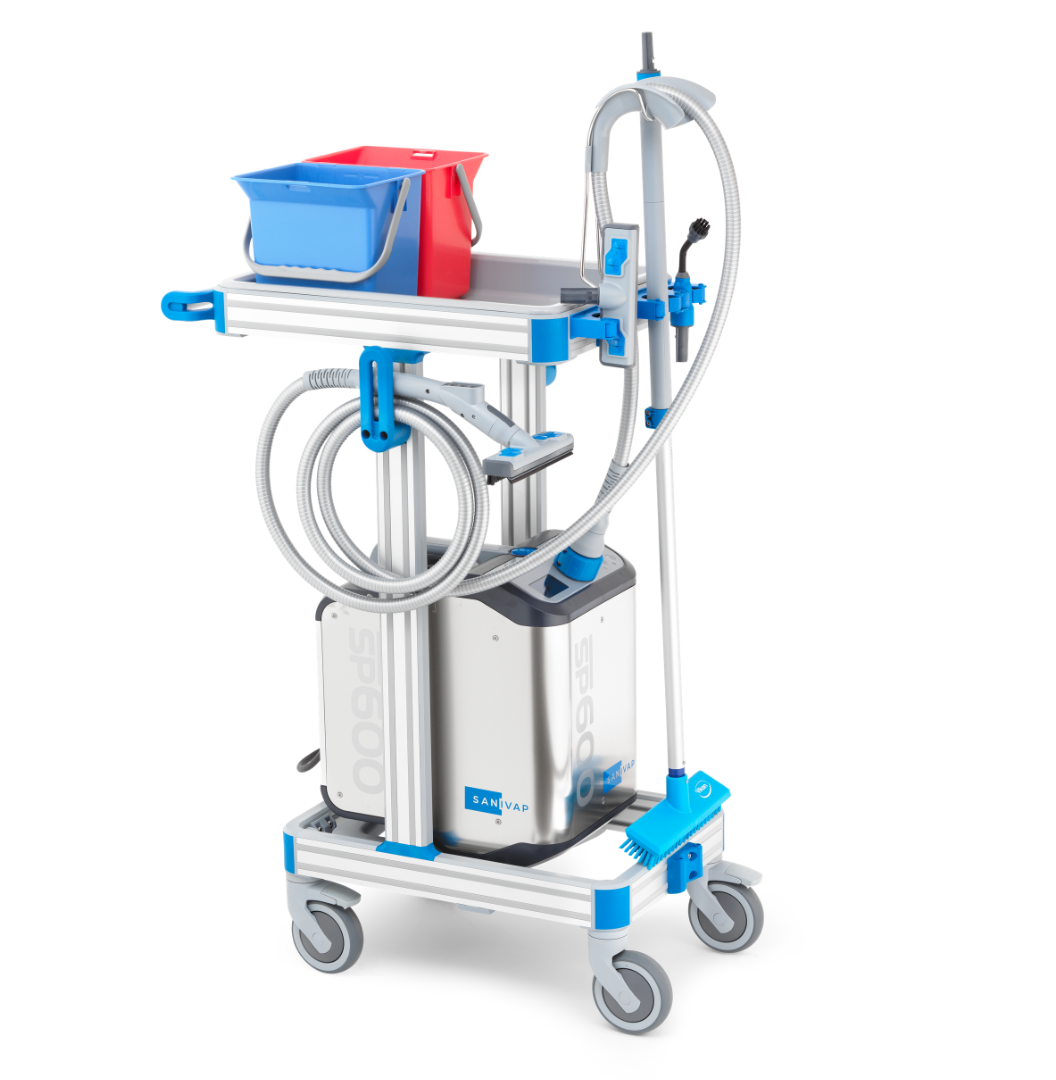
The main challenge presented by Candidozyma auris is not only its resistance to certain antifungal treatments, but its ability to become established long-term in the healthcare environment. In response to this challenge, professional recommendations suggest the same approach: to bolster bio-cleaning, combine several synergistic levels of action such as steam and high-pressure steam cleaning (ASD), and rigorously document the effectiveness of the processes used.
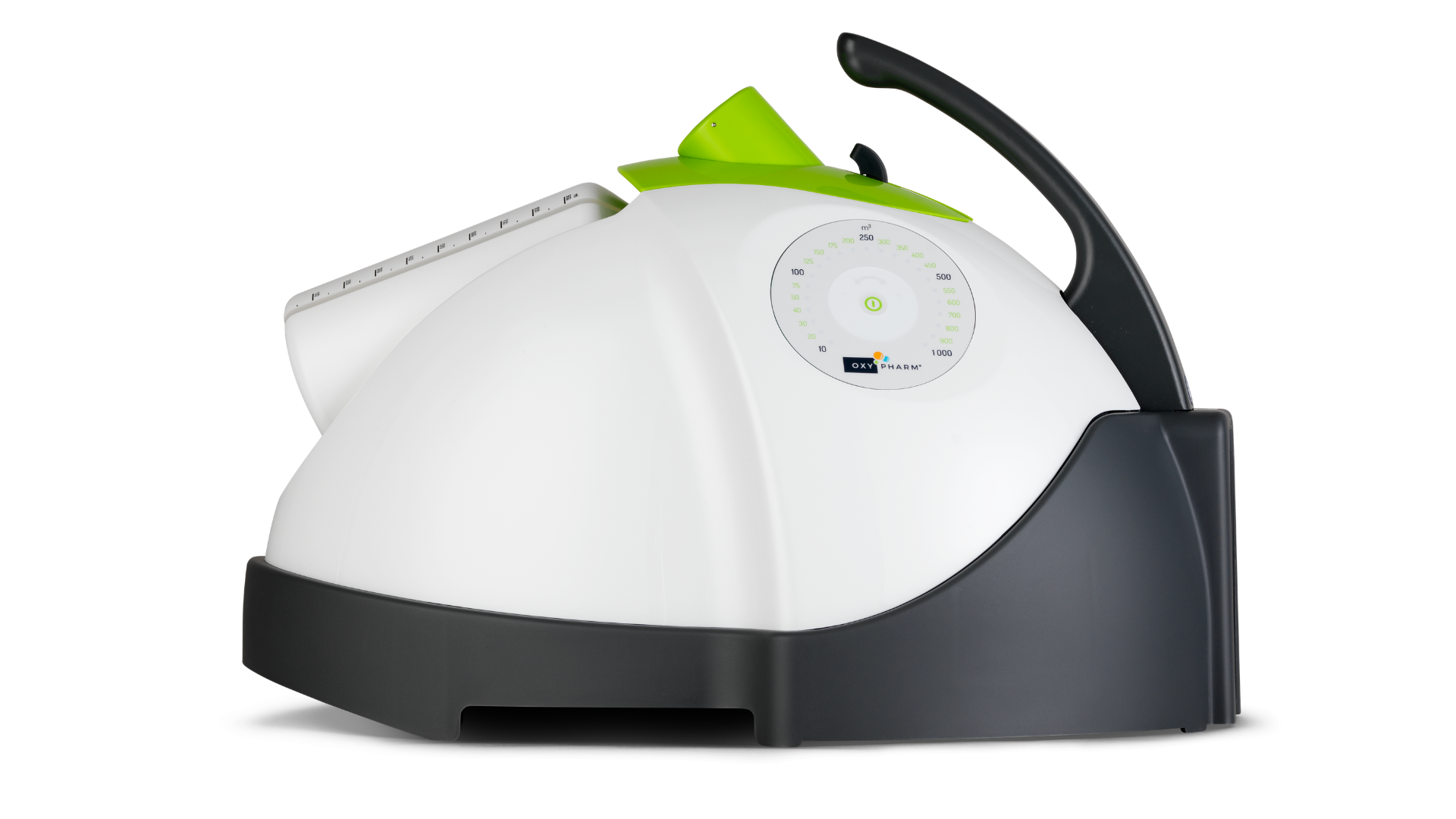
To address current health and environmental challenges, Oxy’Pharm embodies an integrated and eco-biological approach to hospital hygiene, combining Sanivap for high-pressure steam bio-cleaning, and Nocotech for airborne surface bio-disinfection.