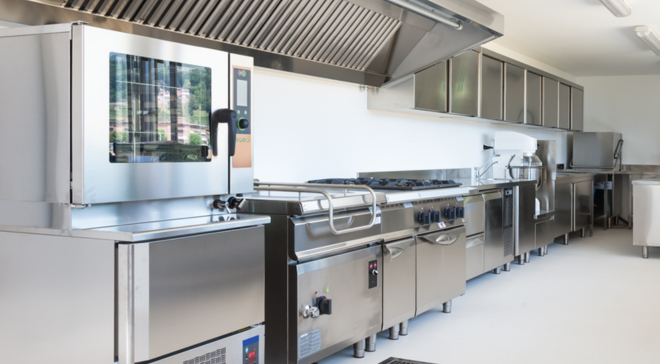
From goods reception to production and dining areas, a commercial kitchen comprises a wide variety of surfaces, equipment and types of soiling. The cleaning and disinfection plan (CDP) must therefore include methods tailored to each specific context, whilst also being practical for staff to implement on a day-to-day basis.
This article examines the main challenges encountered in practice and the benefits of steam in cleaning and disinfection practices in commercial kitchens.
In commercial kitchens, why does cleaning and disinfection come down to the details ?
A WIDE VARIETY OF AREAS, SURFACES AND TYPES OF SOILING
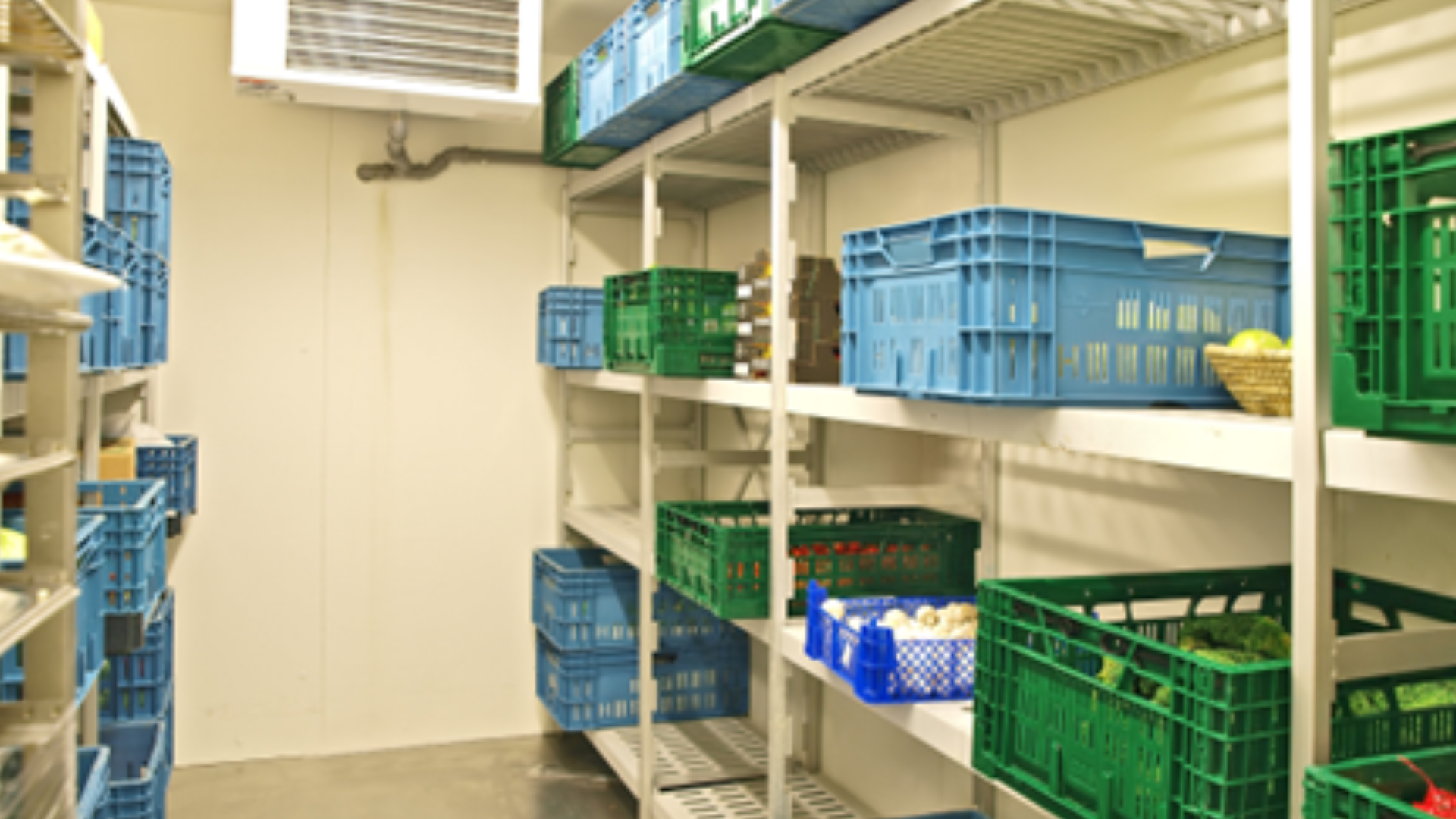
A commercial kitchen comprises areas with very different functions: reception and unpacking, storage, cold stores, preparation, cooking, washing-up, distribution and even the dining area. Each has its own surfaces and equipment to maintain: floors, walls, shelves and worktops, as well as food processors, ovens, range cookers, extractor hoods, dishwashers, refrigerated display cabinets, etc.
The types of soiling also vary depending on the activity: food residues, grease, meat juices, splashes or limescale.
There is therefore no single way to clean the entire kitchen. Regulation (EC) No 852/2004 stipulates that surfaces must be suitable for cleaning and, where necessary, disinfection. In this context, the DGAL recommends tailoring cleaning procedures to each item of equipment, taking into account the material, the type of soiling and the surface’s intended use, with particular attention paid to those surfaces in direct contact with foodstuffs.
CLEANING AND DISINFECTING : TWO COMPLEMENTARY PROCESSES
Cleaning involves removing soiling from a surface, such as food residues, grease or limescale. Disinfection then takes place to reduce microbial contamination.
In a protocol using a chemical disinfectant, the quality of the cleaning determines the effectiveness of the disinfection. Organic residues left on the surface can indeed bind some of the disinfectant substances, reducing the amount actually available to act on the microorganisms. Cleaning also helps to disrupt biofilms – communities of microorganisms attached to a surface and surrounded by a protective matrix – which can make them more difficult to reach.
Disinfection therefore cannot compensate for inadequate cleaning: removing soiling and controlling microbiological contamination are two distinct but complementary objectives.
THE ‘BLIND SPOTS’ OF CLEANING
Even when a surface is included in the protocol, its accessibility can complicate cleaning: the undersides of pianos and sinks, the interiors of equipment, siphons and drains, hollow or tubular surfaces, high-up areas or components requiring dismantling. The DGAL therefore recommends identifying, as early as the PND inventory stage, hard-to-reach corners and equipment that must be dismantled.
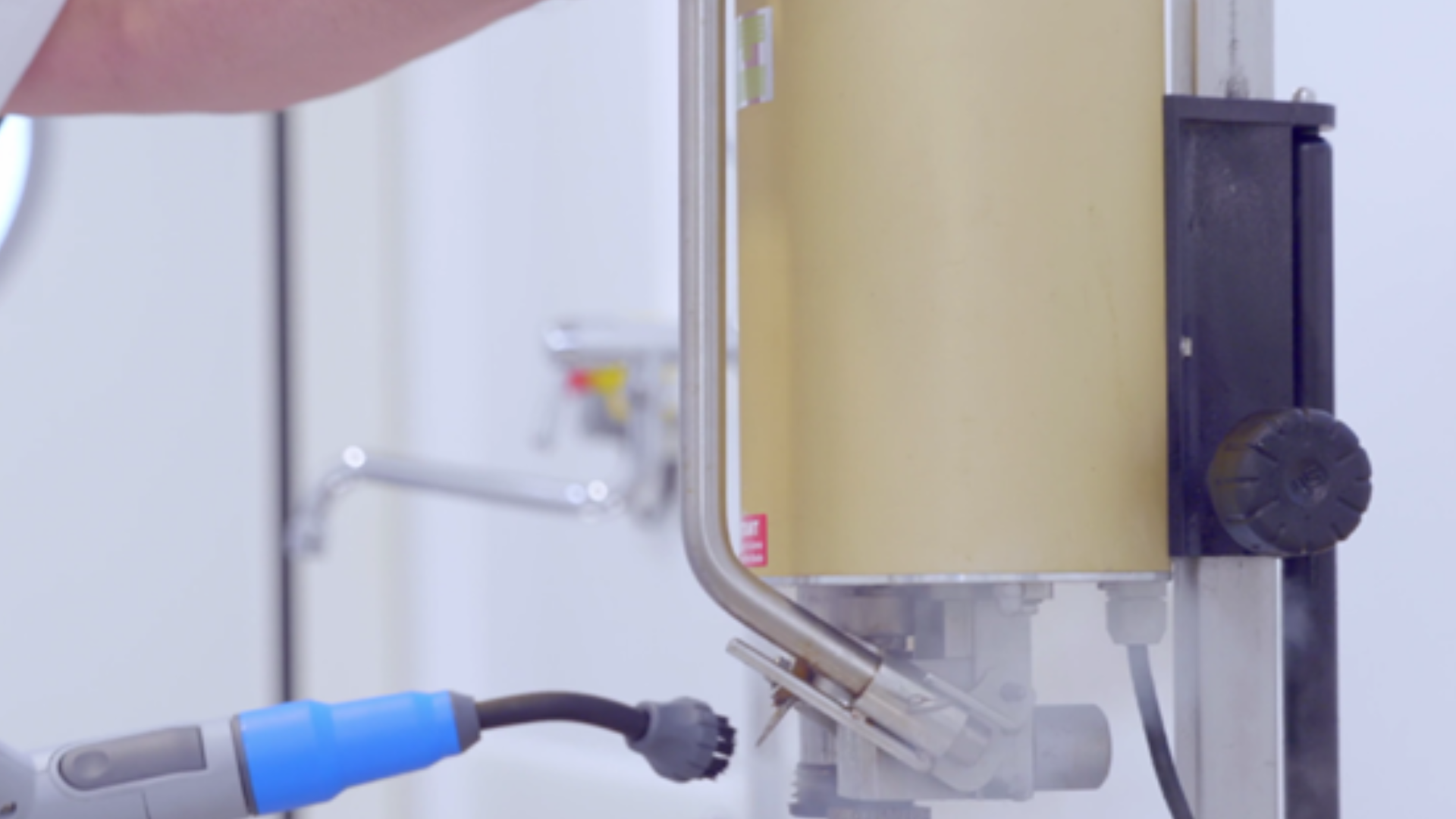
Cleanability also depends on the design and installation of equipment. The INRS recommends, in particular, facilitating access to floors and walls – for example, using mobile or wall-mounted equipment – and providing drainage systems that can be cleaned regularly. Blind spots are therefore not necessarily overlooked areas, but more often surfaces whose shape, location or access make maintenance difficult.
When protocol meets reality: considering its practical application in day-to-day operations
FROM PROTOCOL TO DAY-TO-DAY PRACTICE
A PND must be easily integrated into the day-to-day running of the kitchen.
For each task, the PND must answer very specific questions: what to clean, who is responsible, when and how (preparatory steps or any dismantling required, equipment used and parameters to be observed). These procedures must, however, remain proportionate to the risk. Not all surfaces require the same frequency or level of cleaning. The DGAL therefore recommends “practical procedures tailored to the risk, without creating excessive constraints”.
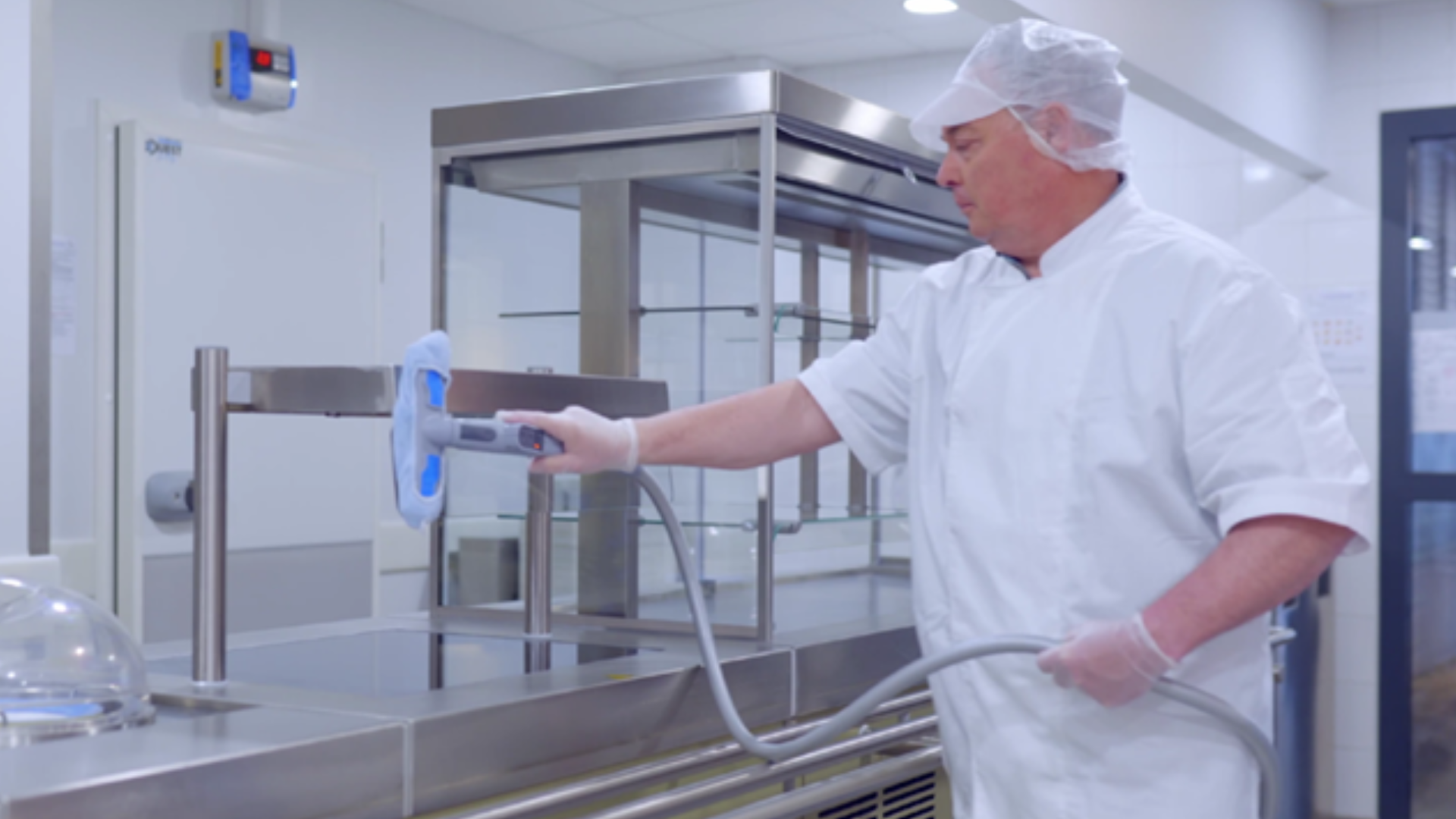
The instructions must be sufficiently precise to be applied in the same way by all staff, including in the event of absence, substitution or the use of an external service provider. Operators must be familiar with the procedures and receive training whenever they change.
A method is truly mastered when everyone knows what to do, with what equipment and using which techniques, so that they can easily replicate it and incorporate it into their daily work routine.
TAKE ACTUAL CLEANING CONDITIONS INTO ACCOUNT
Cleaning is an activity with its own risks and constraints. A soiled, greasy or wet floor increases the risk of slipping and falling. Dismantling or moving equipment may involve pushing and pulling, as well as awkward postures. More broadly, manual handling and repetitive movements can contribute to musculoskeletal disorders.
The products used are also among the factors to be taken into account. Depending on their nature and conditions of use, detergents and disinfectants may pose risks of irritation, allergy, poisoning or burns, particularly through inhalation or skin contact.
The choice of a cleaning and disinfection method therefore does not depend solely on its sanitary effectiveness. It must also take into account the movements required, the conditions under which it will be carried out and the risks to which staff may be exposed.
Rethinking cleaning and disinfection in professional kitchens with a steam-based method
A DUAL ACTION : CLEANING AND DISINFECTION
A steam disinfection device (DDV) delivers, via an attachment placed in contact with or at a short distance from the surface, high-temperature steam (exiting the attachment at over 95°C) that is projected under pressure.
The steam can thus carry out both cleaning and disinfection simultaneously.
It can effectively remove soiling and reduce microbial contamination through two complementary mechanisms :
- A mechanical action, which helps to remove dirt and biofilms by loosening grease and organic deposits;
- A thermal action, which inactivates bacteria, yeasts and viruses.
Under pressure, the steam also reaches crevices, nooks and hard-to-reach areas.
However, this dual action does not mean that every steam appliance is a disinfectant. Its microbiological efficacy must be demonstrated under specific conditions. The NF T72-110 standard is used to assess the biocidal activity of steam disinfection devices; only those that have passed the relevant tests may claim to have disinfectant activity under the conditions tested. This effectiveness is particularly dependent on the combination of the steam generator and the accessory used.
ADAPTING THE ACCESSORY AND TECHNIQUE TO EACH SITUATION: EFFECTIVENESS AND ERGONOMICS
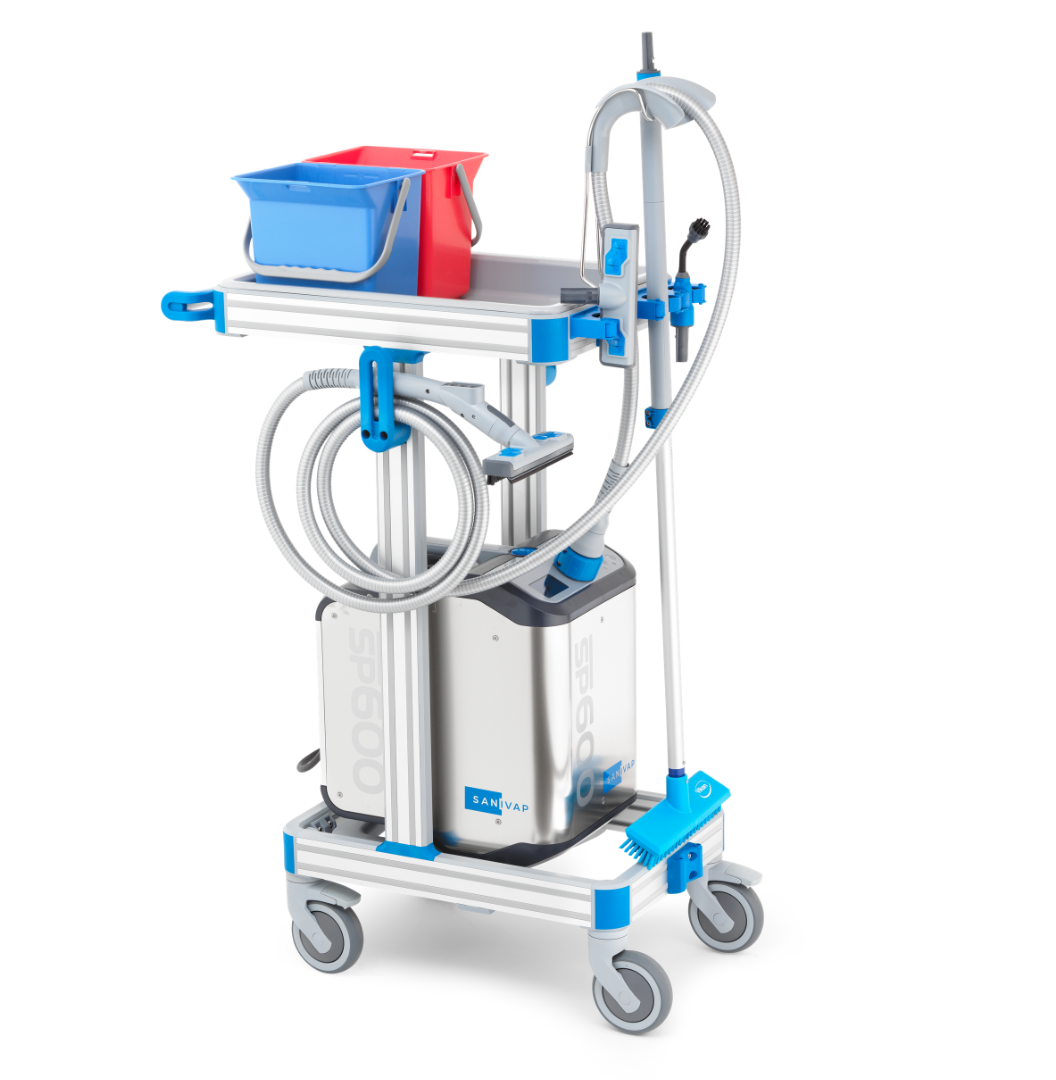
Oxy’Pharm’s Sanivap range has been designed with this in mind: to combine the steam generator with accessories suited to different surfaces and cleaning situations. Tests carried out in accordance with the NF T72-110 standard confirm the disinfectant efficacy of the generator/accessory combinations in the Sanivap range. For accessories intended for disinfection, the pressure remains above 4 bar during use and the temperature on contact with the surface exceeds 95 °C.
The accessory therefore does not merely serve to reach the surface: it is an integral part of the process and helps to maximise the cleaning and disinfecting effectiveness of the steam, depending on the task at hand. This is particularly important in commercial kitchens, where it is necessary to be able to clean not only large flat surfaces but also non-slip floors, high surfaces, corners and even drains.
Sanivap therefore offers MOP mops for smooth surfaces, such as floors and walls, and brush mops for non-slip or tiled surfaces and stubborn dirt. Angled nozzles allow you to work in narrow or hard-to-reach areas, whilst specialised accessories are designed for recessed surfaces and drains. Microfibre pads absorb excess water from flat surfaces, whilst the scraper brush both loosens dirt and removes residual water.
This range of accessories also addresses issues of ergonomics and ease of use. Depending on the surface, its height or accessibility, the design of the accessory can be adapted to make handling and operation easier: long or short handle, brush, microfibre pad, targeted nozzle, etc.
cleaning and disinfection operations, in environments where the surfaces to be treated and the tasks to be carried out vary significantly from one area to another.
Ergonomics also applies to the steam generators themselves, notably featuring a mobile trolley, a compact design, or a touch-control steam handle. The aim is to make it easier to move and handle the equipment during various
From equipment to protocol : how can steam be integrated into a controlled cleaning and disinfection plan ?
Once the uses of steam have been defined, they must be incorporated into the cleaning and disinfection plan (CDP), specifying the surfaces concerned, the intended purpose (cleaning or cleaning and disinfection) and the conditions of use to be observed. The compatibility of materials and equipment with the process must also be checked. Reusable accessories are themselves part of the cleaning and disinfection plan: they must be maintained and stored in such a way as to prevent contamination.
Once the intended use has been defined, the operating procedure must specify the accessory to be used, the application parameters and the correct technique to be followed (speed of movement, application in contact or at the specified distance, precautions relating to hot steam, etc.), as well as how to collect dirt or excess water and how to maintain the equipment after use. Specific training must be provided on this operating procedure.
Finally, the method must be verified in the same way as other operations within the PND: visual inspection of cleanliness, observation of practices and, where relevant, microbiological testing of surfaces in contact with foodstuffs.
Incorporating steam into the PND therefore involves formalising a comprehensive method: an area, an objective, an accessory, operating parameters, a controlled procedure and a check on the result.
In commercial kitchens, an effective protocol must be rigorous in terms of hygiene, yet clear and realistic enough to be applied correctly on a day-to-day basis. Steam can then be a real asset, provided th , the method, the choice of accessories and staff training are all considered together, taking into account the different areas and surfaces to be treated.
To facilitate this implementation, Oxy’Pharm supports professionals in getting to grips with Sanivap systems, offering dedicated user training as well as a technical support and maintenance service.
Would you like to develop a cleaning and disinfection protocol tailored to your kitchen and your teams ?
Watch the video to discover the Sanivap method and its accessories, step by step.
Sources :
- Directorate-General for Food (DGAL), Ministry of Agriculture and Food. Implementation of a hygiene control plan. Guide for small catering establishments. September 2021.
- National Institute for Research and Safety (INRS). Surface disinfection. ED 6188, February 2026.
- National Institute for Research and Safety (INRS). Catering. Guidance on identifying occupational risks. ED 6075, May 2019.
- European Parliament and Council of the European Union. Regulation (EC) No 852/2004 of 29 April 2004 on the hygiene of foodstuffs.
- AFNOR. NF T 72-110: Steam-based surface disinfection processes, with or without contact – Determination of bactericidal, fungicidal, yeasticidal, sporicidal and virucidal activity, including bacteriophages.
- Sanivap Oxy’Pharm. Sanivap technical documentation: steam bio-cleaning devices, SP range and accessories.