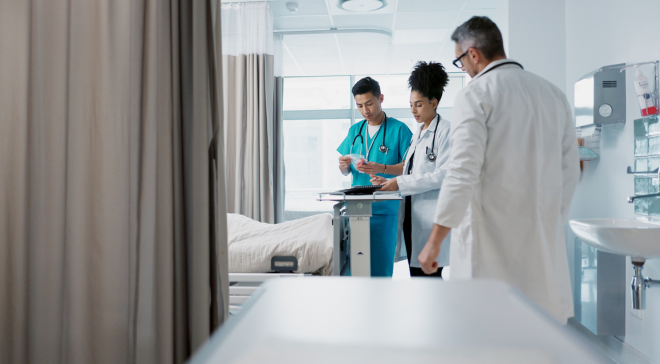
EHRB: a growing challenge in healthcare settings
Antimicrobial resistance is one of the major public health challenges of the 21st century.
Globally in 2021, 4.71 million deaths were associated with bacterial antimicrobial resistance, of which 1.14 million were directly attributable. By 2050, it could be associated with 8.22 million deaths per year.
In healthcare and social care settings, emerging highly resistant bacteria (EHRB) initially raise fears of treatment dead-ends. Subsequently, once they have become established, they complicate the entire healthcare chain, from patient management to the implementation of hygiene protocols.
In tackling this risk, prevention remains the most effective strategy. Controlling contamination in the healthcare environment therefore becomes paramount.
To meet this challenge, Oxy’Pharm offers Sanivap, a high-temperature steam bio-cleaning solution, and Nocotech, an automated airborne surface bio-disinfection technology. Their synergistic nature enables the development of effective, reproducible protocols tailored to different healthcare environments.
MRB and EHRB: what are the public health implications ?
EHRB: BACTERIA UNDER CLOSE SURVEILLANCE
In France, multidrug-resistant bacteria (MRB) are divided into two groups:
- Endemic MRB bacteria, which are already firmly established, such as extended-spectrum beta-lactamase-producing Enterobacteriaceae (ESBL-producing Enterobacteriaceae) and methicillin-resistant Staphylococcus aureus (MRSA).
- Emerging highly resistant bacteria, or EHRB, which are not yet firmly established in France.
The category of EHRB was defined in France by the Haut Conseil de la santé publique in 2013, with a view to establishing specific protocols designed to prevent these bacteria from becoming endemic.
To be classified as an EHRB, a multidrug-resistant bacterium must :
- Be resistant to last-resort antibiotics, such as vancomycin for certain Gram-positive bacteria or carbapenems for certain Gram-negative bacteria.
- Have a gastrointestinal reservoir, i.e. be present in the gastrointestinal tract.
- Carry a transmissible resistance mechanism based on a mobile genetic element.
- Have significant epidemic potential.
In the event of infection, EHRB can lead to a therapeutic deadlock in which the antibiotics usually used no longer work and treatment options become very limited.
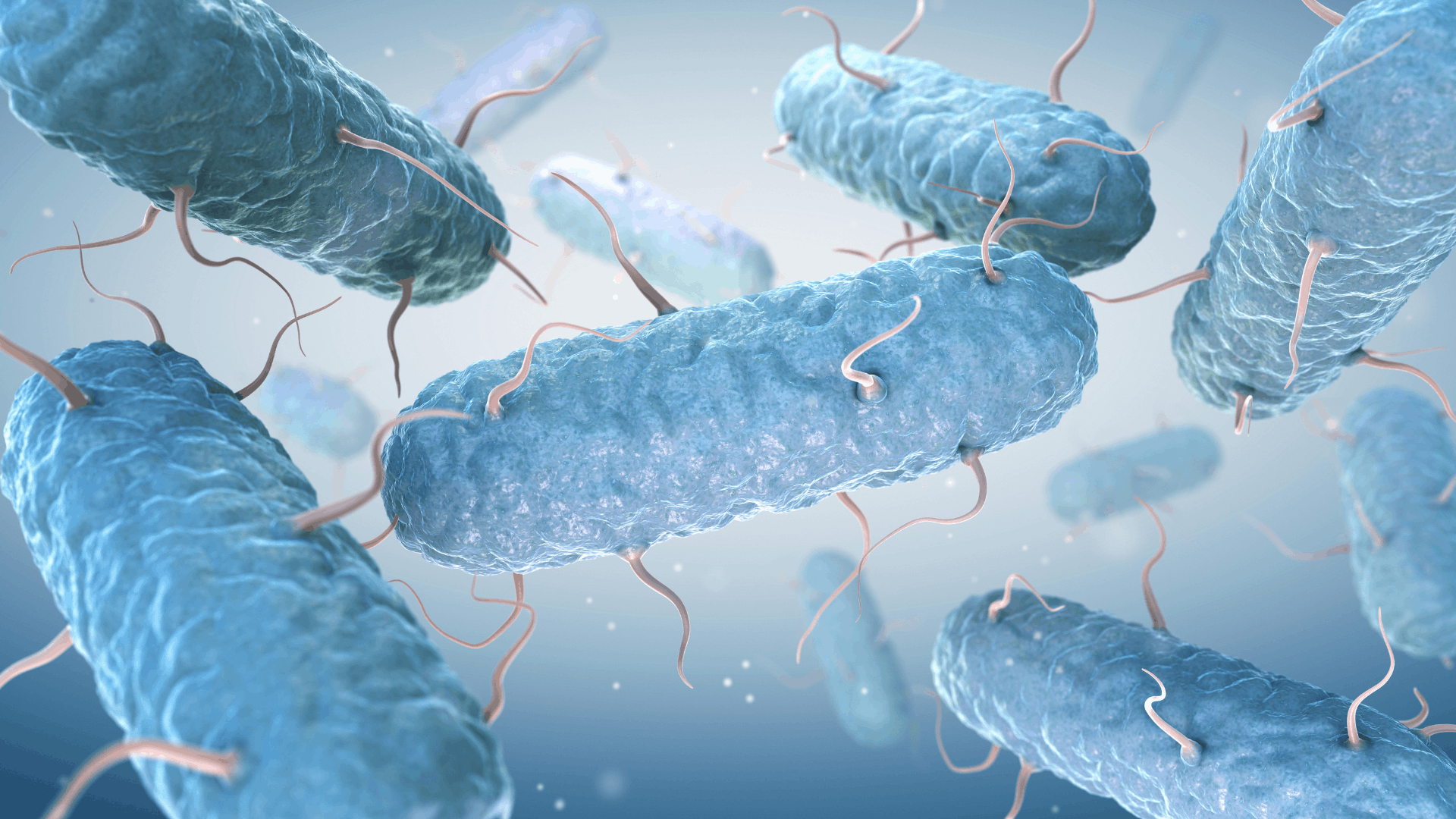
Antibiotic resistance already weighs heavily on global mortality. In 2021, six bacteria accounted for the majority of deaths: Staphylococcus aureus, Acinetobacter baumannii, Escherichia coli, Klebsiella pneumoniae, Streptococcus pneumoniae and Pseudomonas aeruginosa.
WHEN EHRB DISRUPT THE ENTIRE HEALTHCARE CHAIN
EHRB do not only pose a therapeutic problem; they also put the entire healthcare system under strain.
In France, the strategy of early detection and isolation aims to prevent the long-term establishment of EHRB, but it can become cumbersome to implement in the event of an outbreak. It relies on the rapid identification of at-risk patients, the immediate application of additional contact precautions, and then confirmation or exclusion of infection through testing. Pending the results, the patient must be kept alone in a separate room.
The longer the implementation of these measures is delayed, the greater the number of contact patients becomes, leading to a greater on the healthcare system, slowed or even halted patient pathways and transfers, disorganised wards, teams heavily mobilised across multiple departments, and even stricter hygiene protocols.
Combatting EHRB: the importance of prevention

EHRB: UNDERSTANDING TRANSMISSION ROUTES
EHRB are mainly transmitted through contact, from an infected patient or their immediate environment. Hand-to-hand transmission by healthcare professionals is a major route, but transmission can also occur via excreta (particularly faeces and urine), through shared equipment, and inadequately disinfected medical devices (such as stethoscopes, physiotherapy equipment or foetal monitoring devices).
The environment also plays a key role. Frequently touched surfaces (handles and areas close to the patient), as well as bathrooms (water points, toilets and drains), can become persistent sources of contamination and recontamination.
The risk is particularly high in areas caring for vulnerable patients and in units where invasive procedures are common, as the spread of EHRB can have more rapid and severe consequences.
HYGIENE PROTOCOLS APPROPRIATE FOR THE LEVEL OF EHRB RISK
In this context, the maintenance of equipment and the healthcare environment becomes a key lever for prevention. Medical devices, shared equipment and surfaces in close proximity to the patient must be subject to appropriate protocols. These include examination tables, stethoscopes, ECG machines, rehabilitation equipment, foetal monitoring devices and blood pressure cuffs, as well as handles, sanitary facilities, water points and drains.
Controlling the risk of infection relies on rigorous, reproducible and traceable hygiene protocols, combining two inseparable steps: cleaning capable of removing soiling and organic matter, followed by appropriate disinfection to reduce the microbial load. This combination is essential, as the persistence of organic matter compromises the effectiveness of disinfection.
Faced with the challenge of EHRB, against a backdrop of increasing health and organisational pressure, healthcare facilities need solutions that are both effective and simple to implement. These solutions must guarantee the expected microbiological efficacy, remain compatible with medical materials and equipment, ensure the safety of patients and staff, and be designed to minimise environmental impact.
Steam bio-cleaning and automated surface bio-disinfection against EHRB
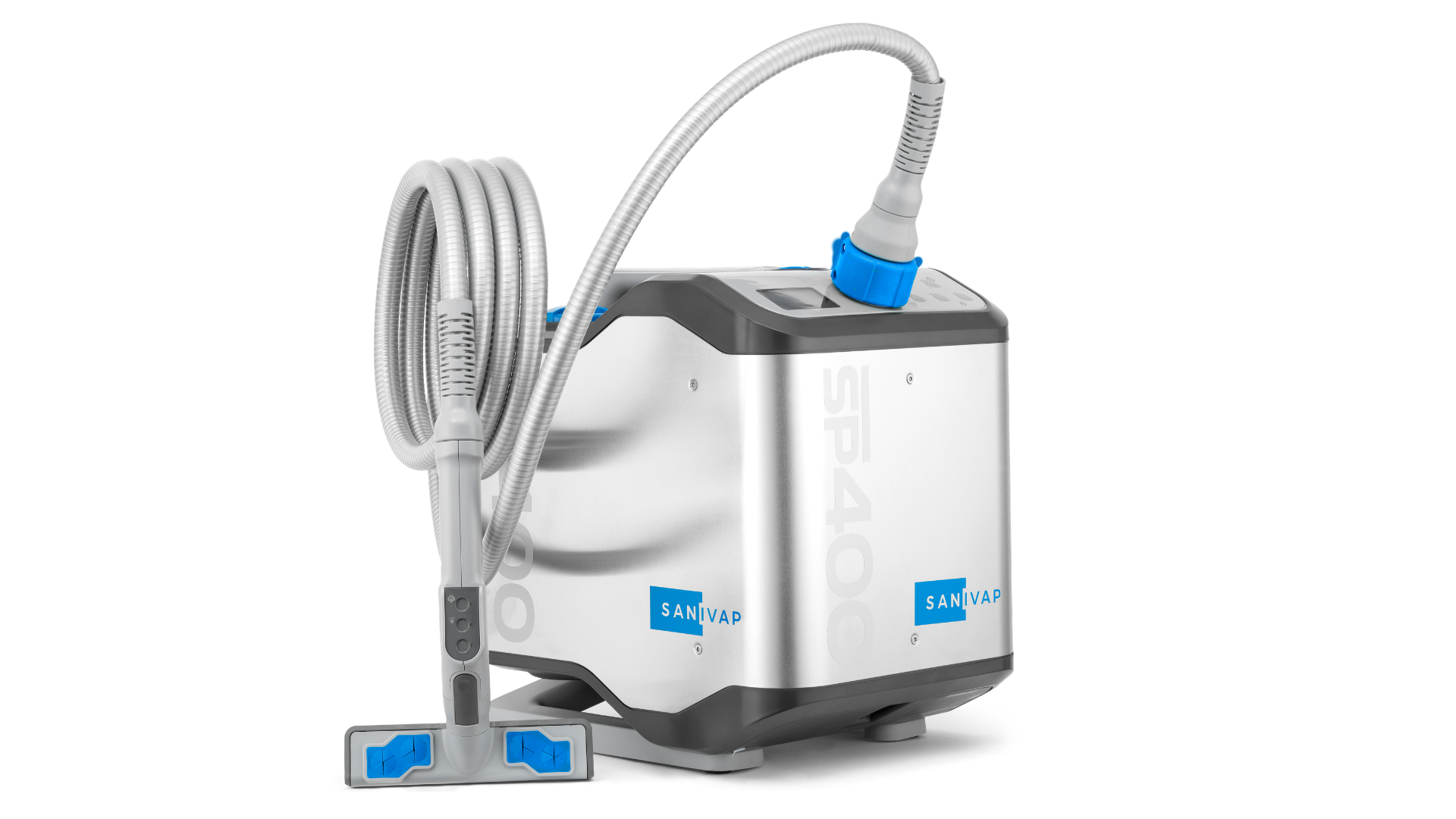
Oxy’Pharm supports healthcare and social care facilities with an integrated approach based on the combination of two synergistic technologies: Sanivap, for high-temperature steam bio-cleaning, and Nocotech, for automated airborne surface bio-disinfection. This synergy enables the development of hygiene protocols tailored to all risk levels, compliant with the strictest standards and fully compatible with hospital surfaces, equipment and schedules.
SANIVAP: HIGH-PERFORMANCE STEAM BIO-CLEANING
Sanivap steam bio-cleaning relies on high-temperature steam, at 97°C at the nozzle outlet, under 5 bar pressure. It removes dirt, acts on microbial biofilms and reduces the microbial load prior to disinfection. Validated according to the NF T72-110 standard, the Sanivap range guarantees reliable bactericidal, virucidal, fungicidal and yeasticidal action without damaging surfaces, even the most sensitive ones. Chemical-free, residue-free, non-corrosive and with no need to rinse, Sanivap provides bio-cleaning tailored to the requirements of healthcare and social care facilities. Its range of accessories allows protocols to be adapted to all areas, including the most demanding ones, such as drains with its dedicated bell cover attachment.
NOCOTECH: AUTOMATED AIRBORNE SURFACE BIO-DISINFECTION
Following steam bio-cleaning, Nocotech provides a terminal bio-disinfection solution that is both reliable and simple to deploy, based on the automated diffusion of hydrogen peroxide in the form of a dry mist.
Remotely programmable, this technology ensures uniform coverage of all surfaces, including complex or manually inaccessible areas (under beds, in corners, textiles, vertical surfaces, medical or electronic devices). Validated according to the EN 17272 standard, it guarantees complete efficacy against viruses, bacteria, yeasts, moulds and spores.
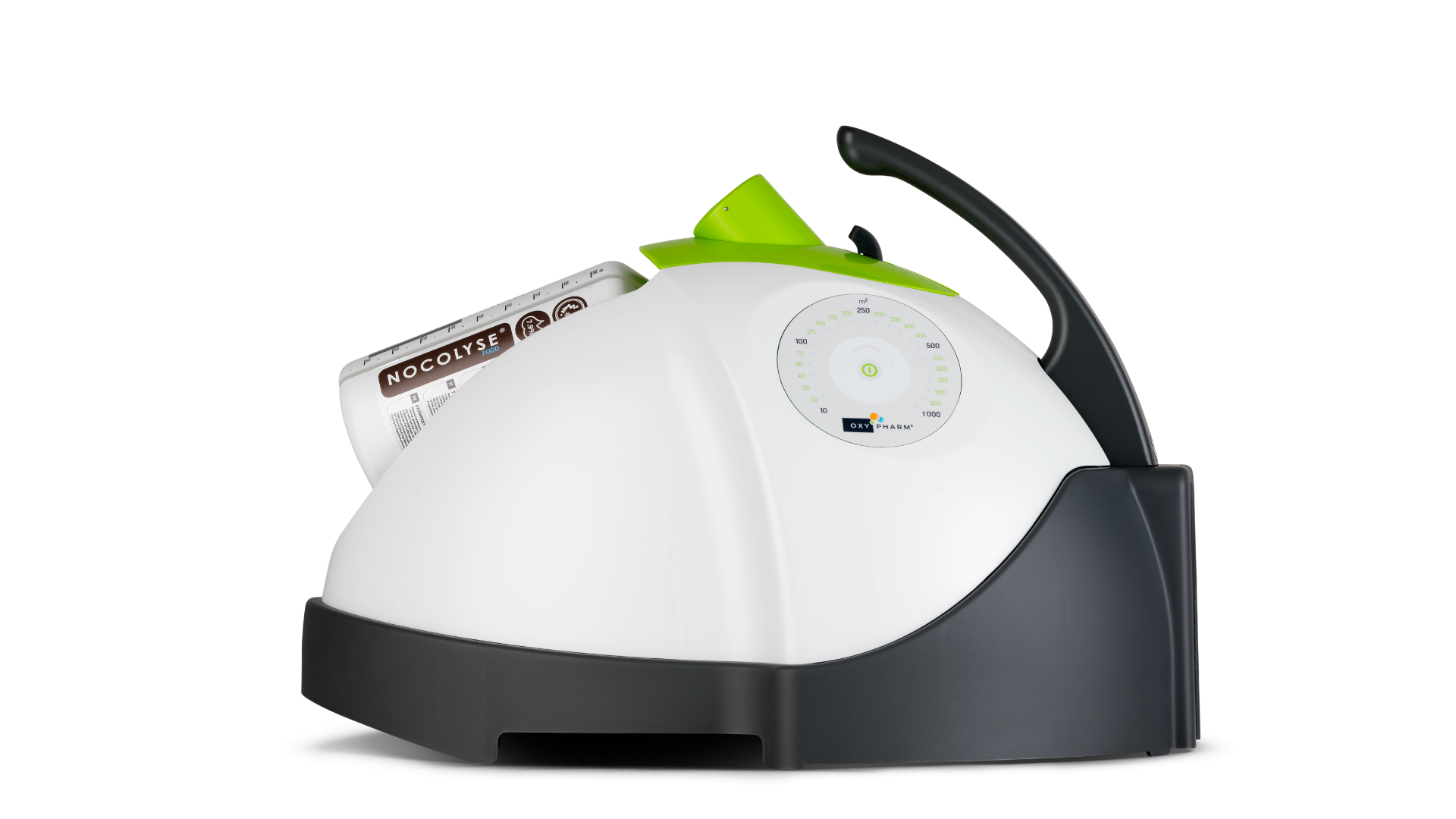
No manual contact or rinsing is required. The solutions used, based on stabilised hydrogen peroxide, are peracetic acid-free, biodegradable, non-corrosive and non-allergenic. They are safe for use on sensitive materials and electronic medical devices.
SANIVAP AND NOCOTECH: PROVEN EFFICACY AGAINST EHRB
During an EHRB outbreak, feedback from the Tarbes-Lourdes Hospital Centre clearly illustrates the benefits of the Sanivap-Nocotech combination. Faced with an outbreak of carbapenemase-producing Enterobacteriaceae, the teams deployed Sanivap for deep bio-cleaning of the rooms of affected or at-risk patients, whilst Nocotech was used systematically after infected patients had been discharged.
This synergistic approach, proven in practice, enables the development of effective, reproducible protocols tailored to the realities of healthcare facilities.
Focus: drains, a critical and often underestimated contact point
As EHRB are present in the digestive tract, drains are a major area of concern. They accumulate moisture and organic matter and present a high recontamination risk, justifying the implementation of specific protocols.
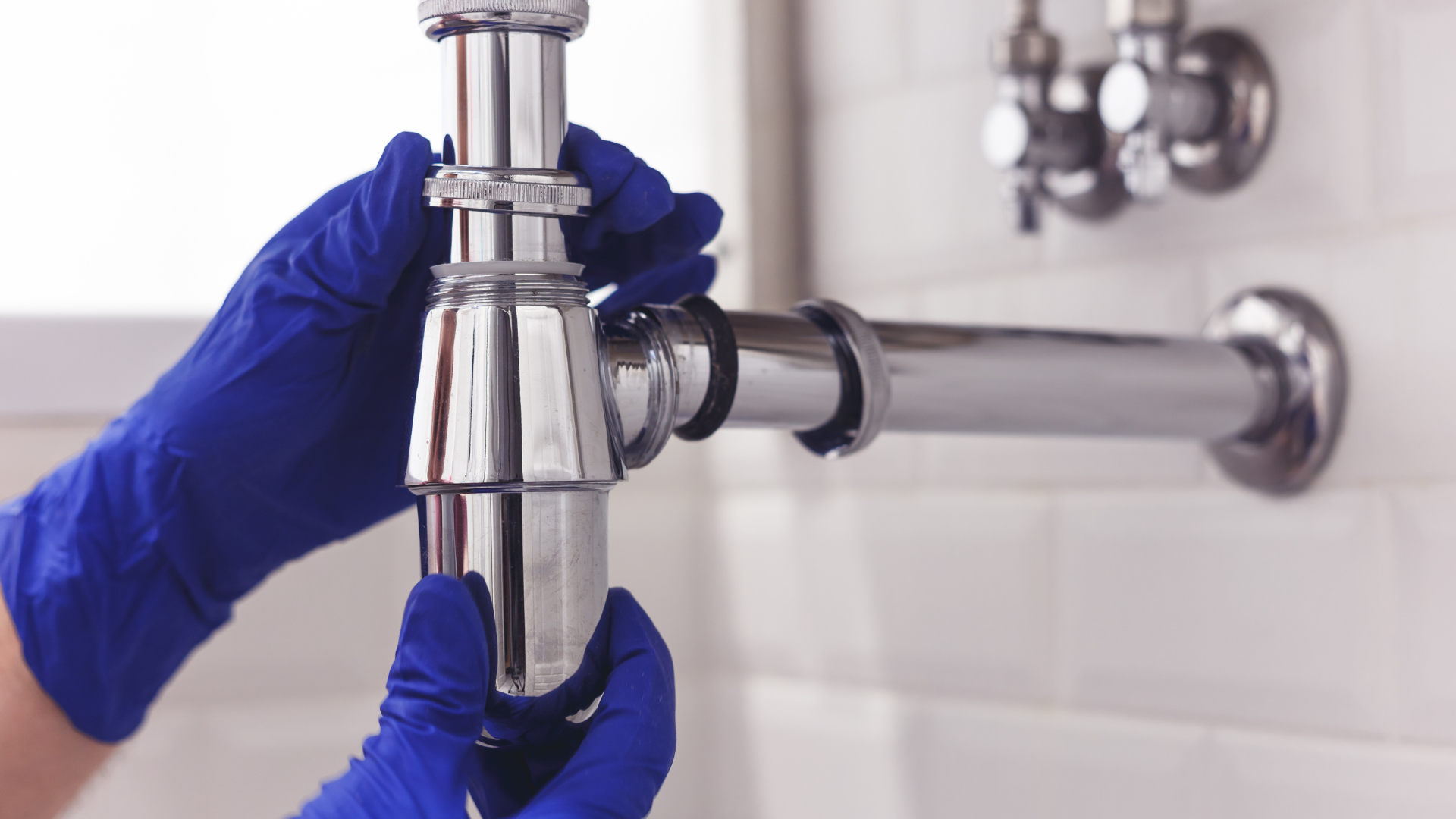
In this narrow, hard-to-reach area, high-pressure steam bio-cleaning proves particularly effective. With Sanivap, Oxy’Pharm offers a dedicated accessory, the drain bell cover, designed specifically for this type of use. When the drain is heavily soiled, steam bio-cleaning can be applied following a disinfectant pre-treatment.
Feedback from the Tarbes-Lourdes Hospital Centre has demonstrated the effectiveness of Sanivap for disinfecting drains during an outbreak of EHRB. Samples showed effective decontamination of drains following the Sanivap steam protocol. This led the hospital to systematically incorporate steam into the bio-cleaning procedures for the rooms of infected patients.
Oxy’Pharm: synergy for sustainable prevention
When dealing with bacteria capable of exposing patients to treatment dead-ends and causing lasting disruption to care, prevention must be appropriate for the level of risk. It requires rigorous hygiene protocols that are reproducible and fully compatible with the realities of the setting. With its comprehensive approach, based on a combination of synergistic technologies, Oxy’Pharm supports healthcare and social care facilities in implementing effective protocols that comply with the strictest standards and are tailored to all levels of risk. A synergy designed to enhance the safety of care, support staff and sustainably control the risk of infection, as part of an eco-friendly framework.
Sources:
[1] Naghavi Mohsen et al. (2024), Global burden of bacterial antimicrobial resistance 1990–2021: a systematic analysis with forecasts to 2050, The Lancet, Volume 404, Issue 10459, 2024, Pages 1199-1226.
[2] Sakr, C. et al. (2024). Bactéries Hautement Résistantes et émergentes (BHRe) : dépistage rapide du portage. Revue de biologie médicale, 377(2), 13-23.